KiloChand — Buyer edition
A smart offline buying ledger for wholesale fruit and vegetable markets
- A separate invoice per stall
- Real market grading
- Van fare spread across the load
- Your selling price per kilo
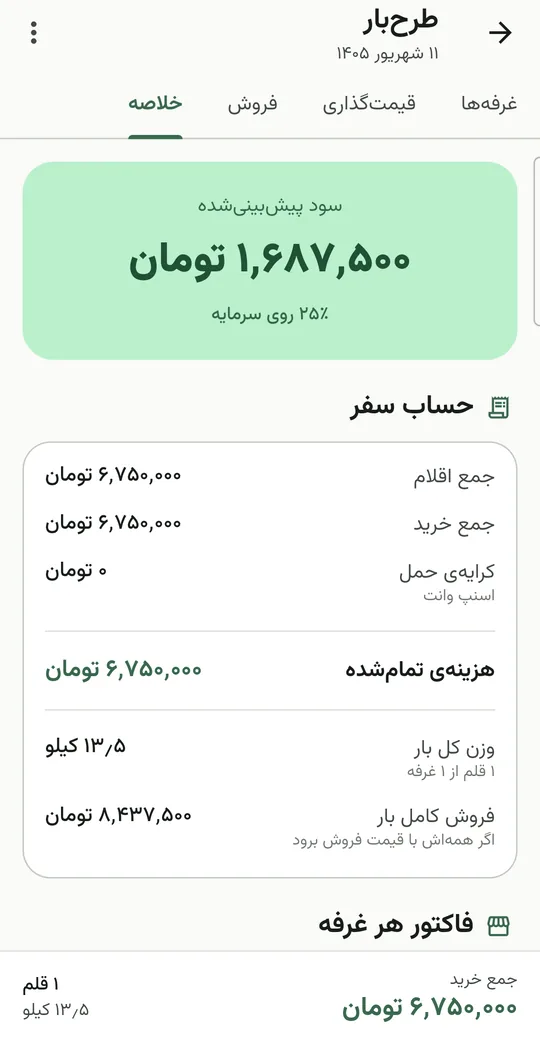
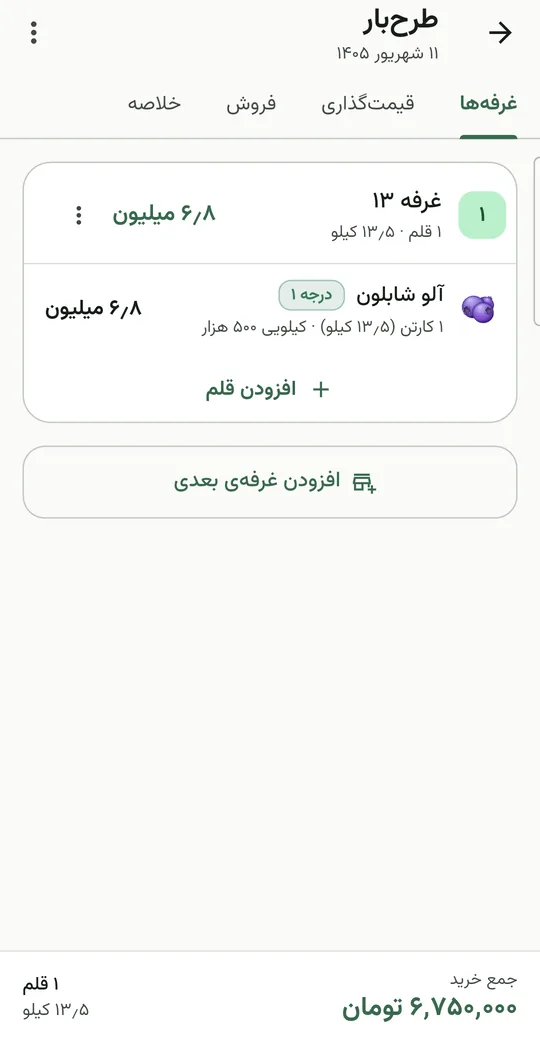
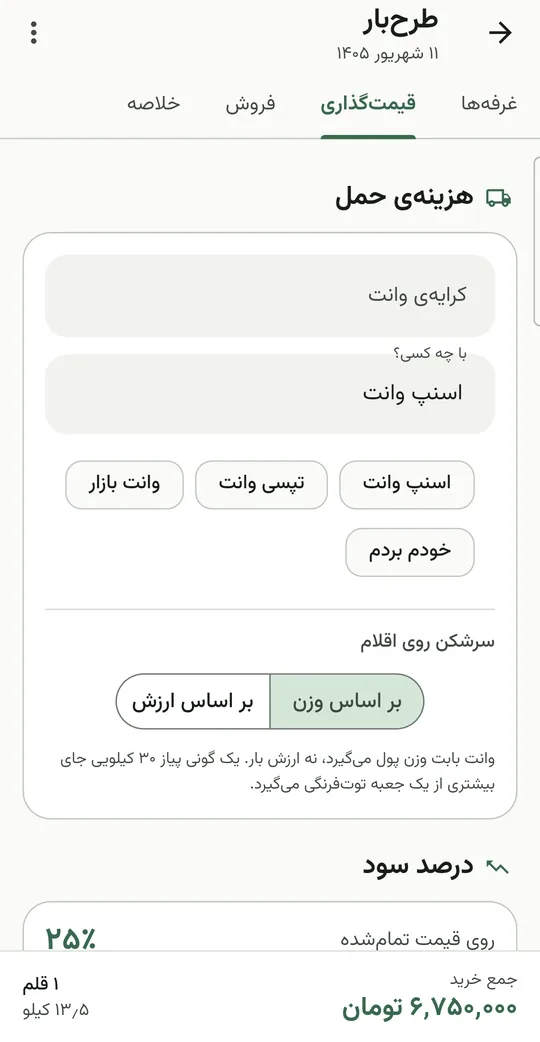
KiloChand is an offline Android app for wholesale fruit buyers. It records each stall invoice with grade and unit, spreads the van fare across every line item, and tells you what to charge per kilo. It also tracks real sales and spoilage so you see actual profit, not a guess.
Why KiloChand?
Made for: Wholesale fruit buyers, greengrocers and market stall owners
A separate invoice per stall
At the market each stall writes its own invoice — not one shopping cart. The app works the same way: one trip, several stalls, each with its own items, discount and cash or credit terms.
Real market grading
Luxury and grades 1 to 3, with wide price gaps. A price without a grade means nothing at the market, so the grade is a core field on every line, not a side note.
Van fare spread across the load
The transport fare is spread across items by weight, because a van charges for weight and space, not cargo value. Spreading by value is available too.
Your selling price per kilo
Set your margin and the app works out the per-kilo selling price including discount and fare, rounded to a figure you can actually quote.
Real profit, not a guess
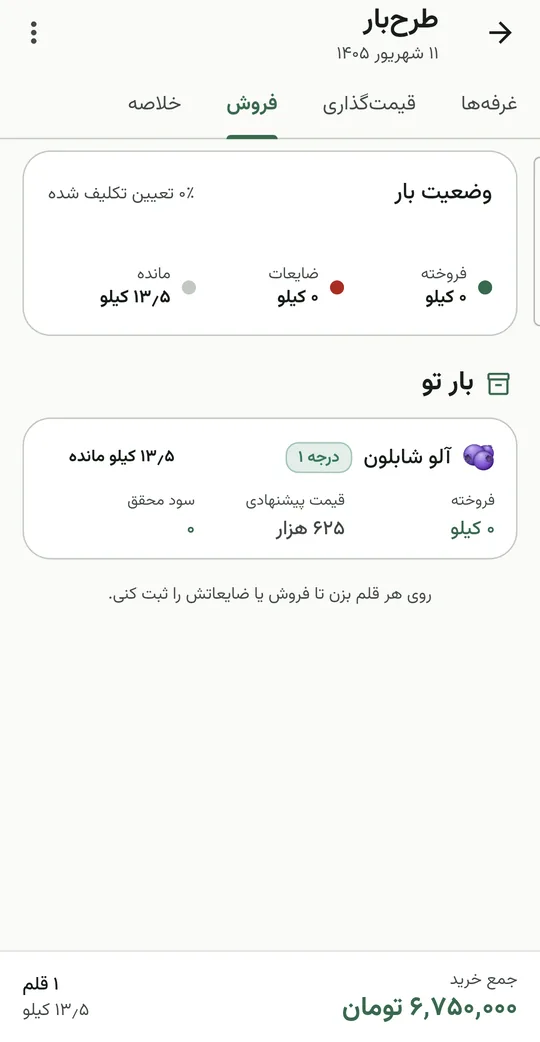
Record what you sold and what spoiled, and the app shows realised profit. Spoiled fruit earns nothing but was paid for; without it, profit on paper always beats profit in your pocket.
Offline, no account
There is no signal in a market hall at five in the morning. Everything is stored on the phone itself — no sign-up, no server, no monthly fee.
See the app
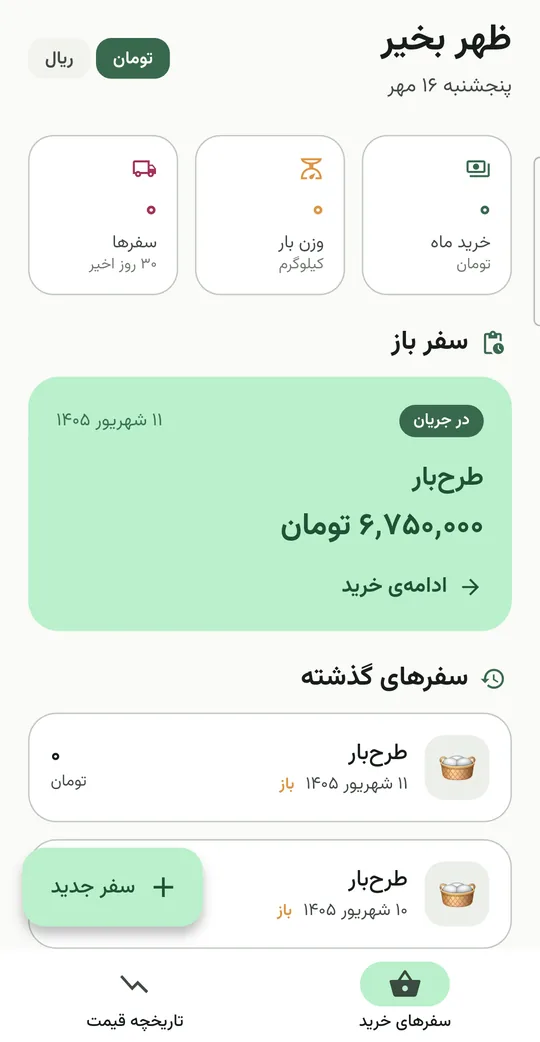
Pricing
Currently in field testing and not yet released for public download. If you buy fruit wholesale and want to try the beta, get in touch from the contact page.
Android App Development
Want a similar product for your business or school?
Read more →KiloChand FAQ
What is KiloChand for?
For anyone who goes to a wholesale produce market early in the morning and buys from several stalls. Instead of adding up invoices and the van fare in your head or on paper, the app works out the true cost and selling price per kilo.
Does it work without internet?
Yes. All data is stored on the phone and the app never needs a connection, for the simple reason that market halls usually have no signal.
Should I enter prices in Toman or Rial?
Whichever you prefer. A switch at the top of the home screen moves between Toman and Rial, and the unit is always shown next to the number. Stall invoices are usually in Rial while haggling happens in Toman, and that gap is exactly what causes tenfold mistakes.
Where do I enter the discount a stall gives me?
On the stall invoice itself, in the invoice editor. The discount is spread across that stall's items in proportion to their value. If you skip it, your cost comes out higher than reality and you overprice for no reason.
How does it handle spoilage?
On the sales tab you can record spoilage instead of a sale for any item. Spoilage brings no revenue but its cost still counts against profit. In produce retail that single figure can wipe out the profit of a good sale.
Is my data sent anywhere?
No. The app has no server and nothing leaves your phone. Your purchases, prices and profit stay on your device only.
Can I download it now?
Not yet. KiloChand is being field-tested at the market and is not released for public download. If you buy produce wholesale and would like to try the beta, send a message from the contact page.
Could you build something like this for my business?
Yes. KiloChand was built around a real working routine rather than a template. If your business has a daily calculation that currently lives on paper or in someone's head, start from the contact page.
Related articles
What Determines the Cost and Timeline of a Mobile App?
The main factors behind Android and iPhone app cost and timeline, native vs Flutter, and how a minimum viable product (MVP) lowers the upfront cost.
Flutter vs Native (Kotlin and Swift): How to Choose for Your App
Flutter compared with native Android (Kotlin) and iPhone (Swift): cost, build speed, performance, device features, and which one suits your project.
Get advice on Android App Development
One short consultation is enough to clarify the path, timeline and rough cost of your project.
If you have a problem you think AI might solve, write to me. I’ll tell you honestly whether it will; sometimes the answer is no, and hearing that early is cheaper.